04
Jul
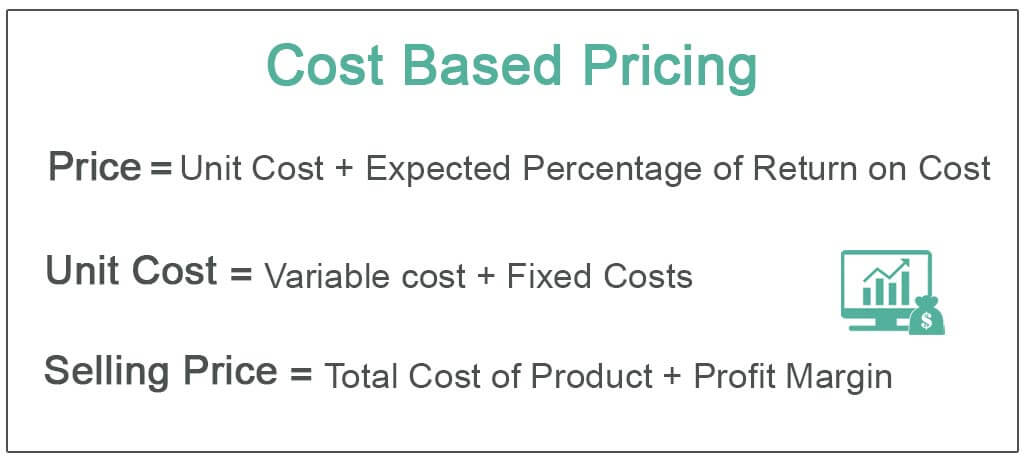
A Cost-Based Pricing Example. The mark up as a percentage of the selling price equals 100500100 20.
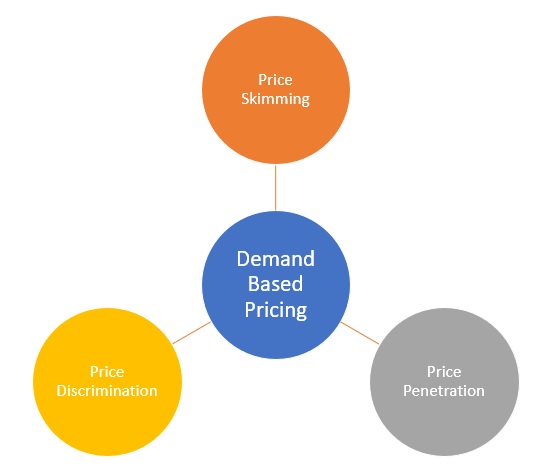
Demand based pricing example. Demand-based pricing comes in a variety of forms all united by the fact that they play on consumer demand. These methods can vary based on several factors including a companys business goals its place in its market consumer preferences and the quality of its product. The specific demand-based pricing method a company will employ also relies on how and when a company enters its.
There are several examples of demand-based pricing that can be seen in a variety of products companies and industries. One example of this is Walt Disney World in Florida and Disneyland in California which now increase their ticket prices during holidays and certain weekends in contrast to times when there is less demand. Based on season one kind of clothing will be more in demand as compared to others.
Jackets will more be in demand in winters. Here demand based pricing will become very important. Example of Demand Based Pricing.
Sectors like Transportation Aviation use. Thus for a single seat in flight there can be several different prices possible based on demand. Another example that can be seen is in the field of music concert businesses.
Some of the major players in this field use the dynamic pricing to increase the sales of the concert tickets. For example the product is sold for Rs. 500 whose cost was Rs.
The mark up as a percentage to cost is equal to 100400100 25. The mark up as a percentage of the selling price equals 100500100 20. Demand-based pricing refers to a pricing method in which the price of a product is finalized according to its demand.
Value Based Pricing Example 4 - The Diamond Industry Diamonds have always had a reputation of being highly exclusive and extremely expensive. Despite more and more people becoming aware of their actual value and the fact that the price is artificially inflated the perceived value hasnt declined in the slightest. Strategies Examples and Applications.
Recently weve all seen concrete applications of dynamic pricing in different markets. Prices of everyday goods such as toilet paper and hand sanitisers increased dramatically based on demand. Among other common examples of dynamic pricing we can find happy hours at a local bar.
Another example of demand-oriented pricing comes from the airline industry. Flights from Minnesota to sunny Arizona in February will not be at the same price as the same flight in August. The aircraft would use the same amount of fuel have the same number of.
Demand -based pricing uses consumer demand and therefore perceived value to set a price of a good or service. Methods of demand-based pricing can include price skimming price discrimination and yield management price points psychological pricing bundle pricing penetration pricing price lining value-based pricing geo and premium pricing. What is demand based pricing.
It is a strategy that takes into account known periods of high demand and establishes prices accordingly to maximize sales over a. Demand-based pricing is one of the major approach to pricing. Under this method the service provider does not consider cost of service rendered by him.
He allows the demand that prevails for the service to determine price. Strictly speaking demand-based pricing involves estimation of customers perception and setting the prices consistently. Example Market Based Pricing.
Consider tickets for a newly released movie. People go crazy to watch new movie at the earliest and are ready to pay high prices. As a result they are highly priced during first week of the release but later on the price of the ticket comes down.
So we can see that based on demand the prices of tickets are determined. Pricing for maximum unit sales or penetration pricingor loss-leader pricing means setting the price point as close as possible to the peak of the demand curve eg a price of 130 in Exhibit 1. For many product demand curves this means selling at a meager price or even selling at a loss.
Again we take the 2 million divided by 100000 units which would be a cost of 20 per unit. We obviously see already as we calculated in the previous example that the total resulting cost will be 78. Lets look at the second example again and here were going to see the differences.
There are two important demand based methods namely. 1 Demand modified break even analysis pricing and 2 Perceived value pricing. Demand Modified Break Even Analysis.
Demand modified break even pricing is that method which sets the prices to achieve highest profit over the break-even point in consideration of the amount demanded at. A Cost-Based Pricing Example. Suppose that a company sells a product for 1 and that 1 includes all the costs that go into making and marketing the product.
The company may then add a percentage on top of that 1 as the plus part of cost-plus pricing. That portion of the price is the companys profit. Click to see full answer.
When you go to request a ride on a Saturday night you might find that the price is different than the cost of the same trip a few days earlier. Thats because of our dynamic pricing algorithm which adjusts rates based on a number of variables such as time and distance of your route traffic and the current rider-to-driver demand. Sometimes this can mean a temporary increase in price during particularly busy periods.
Previous post
Denine defined enhancing buttocksNext post
Delta sigma theta history book